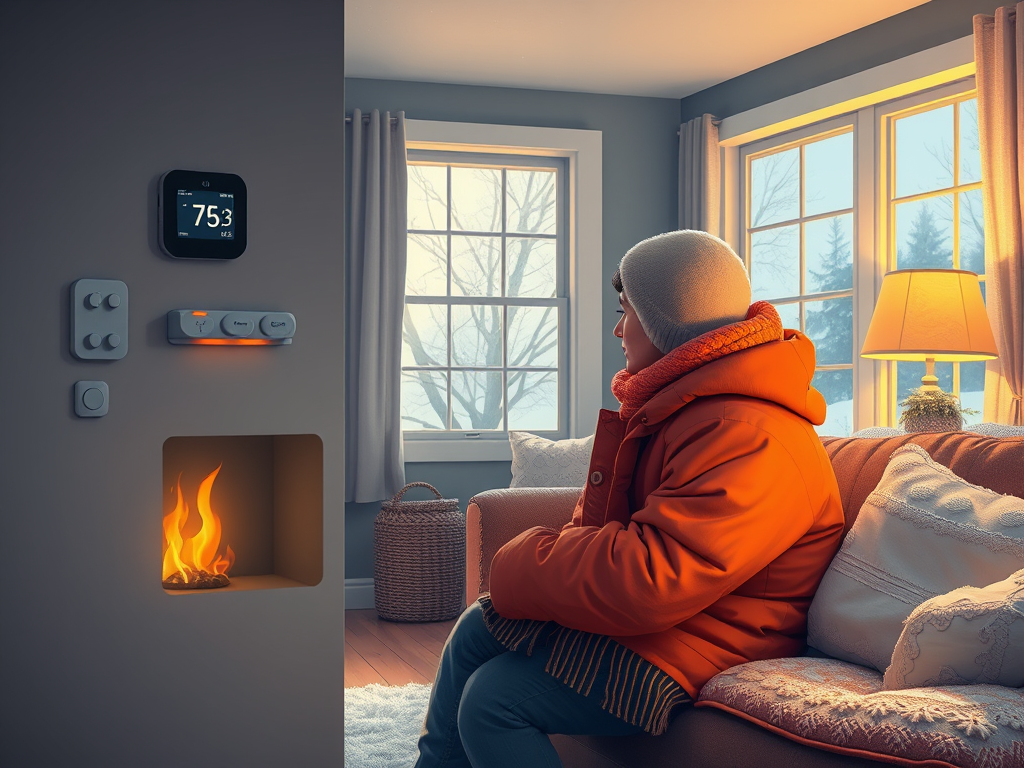
As temperatures drop and winter settles in, heating your home becomes a top priority. Unfortunately, it also becomes a significant portion of your energy bills. With a few simple adjustments, you can keep your home warm and cozy without breaking the bank. Whether you’re looking to reduce your carbon footprint or just lower your monthly utility costs, these heating energy-saving tips can make a big difference.
1. Upgrade to a Programmable Thermostat
One of the easiest and most effective ways to save on heating costs is by installing a programmable thermostat. This allows you to set your heating system to automatically lower the temperature when you’re away from home or sleeping, and raise it when you’re active. By reducing heating during periods of inactivity, you can cut energy use without sacrificing comfort.
- Tip: If you don’t already have one, consider upgrading to a smart thermostat. These devices learn your routine and can adjust settings based on your behavior, offering even more convenience and savings. Most also come with an app for your phone so you can turn the heat up or down when you’re away!
2. Seal Drafts and Insulate Properly
Drafty windows and poorly insulated walls can allow warm air to escape, leading your heating system to work harder than necessary. Sealing gaps around windows and doors can make a significant impact on energy efficiency. You can also add insulation to your attic, basement, and crawl spaces to prevent heat from escaping.
- Tip: Use a lighter to check around windows and doors. Just don’t set anything on fire! Replace weatherstripping or caulk to seal gaps around windows and doors. For larger gaps, consider using foam sealant or expanding foam.
3. Check and Maintain Your Furnace
A well-maintained furnace runs more efficiently, reducing energy use and prolonging the lifespan of your heating system. Change the furnace filter regularly (at least every 3 months) to ensure proper airflow and to prevent the system from overworking. Also, consider scheduling an annual furnace inspection to keep it running at peak efficiency.
- Tip: If your furnace is more than 15 years old and frequently requires repairs, it may be time to consider replacing it with a more energy-efficient model. Look into the latest heat-pump systems!
4. Lower Your Thermostat (and Wear a Sweater!)
Every degree you lower your thermostat can save you about 1% on your energy bill over the course of the winter. A common recommendation is to set your thermostat to 68°F during the day when you’re at home and awake, and lower it by 10-15 degrees at night or when you’re away.
- Tip: Layer up with warm clothing like sweaters, socks, and blankets. If you’re working from home, a cozy sweater and a warm drink can make a big difference in your comfort level without needing to raise the thermostat.
5. Maximize Sunlight During the Day
Take advantage of natural sunlight to help warm your home during daylight hours. Open curtains or blinds on south-facing windows to allow the sun to heat your home. At night, close the curtains to help retain the warmth inside.
- Tip: Consider using thermal curtains, which are designed to better insulate windows and keep heat from escaping at night.
6. Reverse Your Ceiling Fans
Most people use ceiling fans in the summer to help cool down a room, but did you know they can help you save energy in the winter too? Many ceiling fans have a reversible motor, which allows you to set the blades to spin clockwise during winter. This creates an upward draft that pushes warm air down into the living space, helping to distribute heat more evenly.
- Tip: Keep your fan on a low speed when running it in reverse to avoid creating a chilly breeze.
7. Close Off Unused Rooms
If you have rooms that you don’t use frequently, such as guest bedrooms or storage rooms, close the vents and doors to those rooms. By not heating these unused areas, you can direct the warm air to the rooms that matter most, reducing energy waste.
- Tip: Just make sure that you don’t block vents in rooms that need to stay heated (like bathrooms with plumbing), as this can cause pipes to freeze.
8. Keep Your HVAC Ducts Clean and Insulated
Leaky or poorly insulated ducts can waste a significant amount of heated air. Over time, dirt and debris can build up in the ducts, causing your heating system to work harder to distribute air. Ensure that ducts are properly sealed and insulated to prevent heat loss.
- Tip: Consider hiring a professional to clean your ducts and seal any leaks. This can improve the efficiency of your heating system and lead to long-term savings.
9. Utilize a Humidifier
In winter, the air tends to be drier, which can make the air inside your home feel colder than it actually is. A humidifier adds moisture to the air, making it feel warmer and more comfortable. This can help you lower your thermostat a few degrees while still feeling cozy.
- Tip: Be mindful of humidity levels—too much moisture can lead to mold or condensation problems, so aim for a relative humidity of 30-50%.
10. Use Energy-Efficient Windows
If your windows are older or drafty, consider upgrading to energy-efficient windows, which are designed to keep warm air inside and cold air out. While this is an investment, it can pay off in the long run by significantly reducing heating costs.
- Tip: In the meantime, you can apply window insulation film or use heavy-duty curtains to help keep your home warm.
Conclusion
Saving on heating costs during the winter is all about being proactive and making small changes around your home. From adjusting your thermostat to sealing drafts, each step can help you conserve energy and lower your utility bills. By implementing even a few of these tips, you’ll create a more comfortable home while reducing your environmental impact and keeping your finances in check this winter.
Want more tips on energy savings or home maintenance? Feel free to reach out!
Leave a Reply